Mapping Complaint Escalation Patterns in Multi-State Wagering Platforms and Their Ties to User Protection Protocols
Sam Jung · Sep 24, 2026
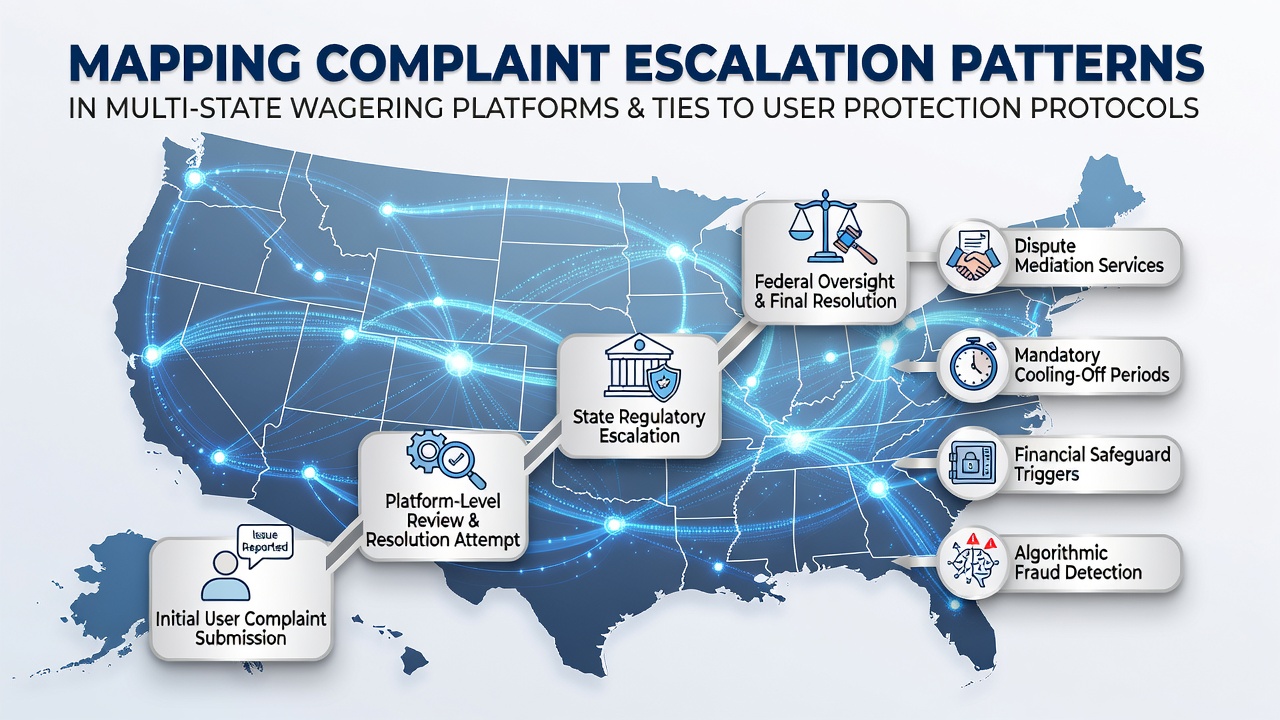
Mapping Complaint Escalation Patterns in Multi-State Wagering Platforms and Their Ties to User Protection Protocols
Complaint escalation patterns in multi-state wagering platforms follow structured pathways that begin with initial user contacts and move through several layers before reaching regulatory bodies, and these sequences connect directly to established user protection protocols that operate across different state jurisdictions. Operators track each step in the process, from first-line support responses to formal disputes, while regulators monitor how quickly issues advance and whether protections such as account verification or spending limits activate at the right moments.
Initial Contact Points and Early Escalation Stages
Users typically start complaints through in-app chat, email, or dedicated portals, and platform staff log these entries with timestamps that later feed into broader analytics systems. When responses fail to resolve matters within set timeframes, cases move to specialized teams that review transaction records and account histories. Data collected at this stage often reveals recurring triggers such as delayed withdrawals or bonus disputes, while protection protocols require operators to flag accounts showing signs of excessive play before escalation continues.
Multi-state platforms must align these early steps with varying state rules, and coordination becomes necessary when one user holds accounts registered in several jurisdictions. Systems automatically route complaints based on the state where the wager originated, yet cross-border patterns emerge when similar issues appear in multiple locations at once. Researchers have noted that these patterns help identify gaps in verification procedures that states implemented to safeguard users from unauthorized access.
Intermediate Review Layers and Cross-Jurisdictional Coordination
Once internal teams escalate a case, supervisors examine evidence that includes chat transcripts, payment logs, and previous interactions, and they decide whether to involve compliance officers. At this point many platforms activate automated alerts tied to user protection measures, such as mandatory cooling-off periods or referrals to responsible gaming resources. Observers note that platforms operating in multiple states maintain centralized dashboards to compare escalation rates across regions, allowing them to adjust response times according to each state's reporting requirements.
Coordination challenges arise when one state demands faster resolution than another, and operators adjust workflows to satisfy the strictest standards while maintaining consistency. According to information from the New Jersey Division of Gaming Enforcement, complaint volumes in regulated markets have prompted platforms to refine escalation timelines that directly influence how protection tools are deployed. Patterns show that unresolved issues from one state sometimes mirror those in others, creating datasets that regulators use to evaluate overall platform compliance.
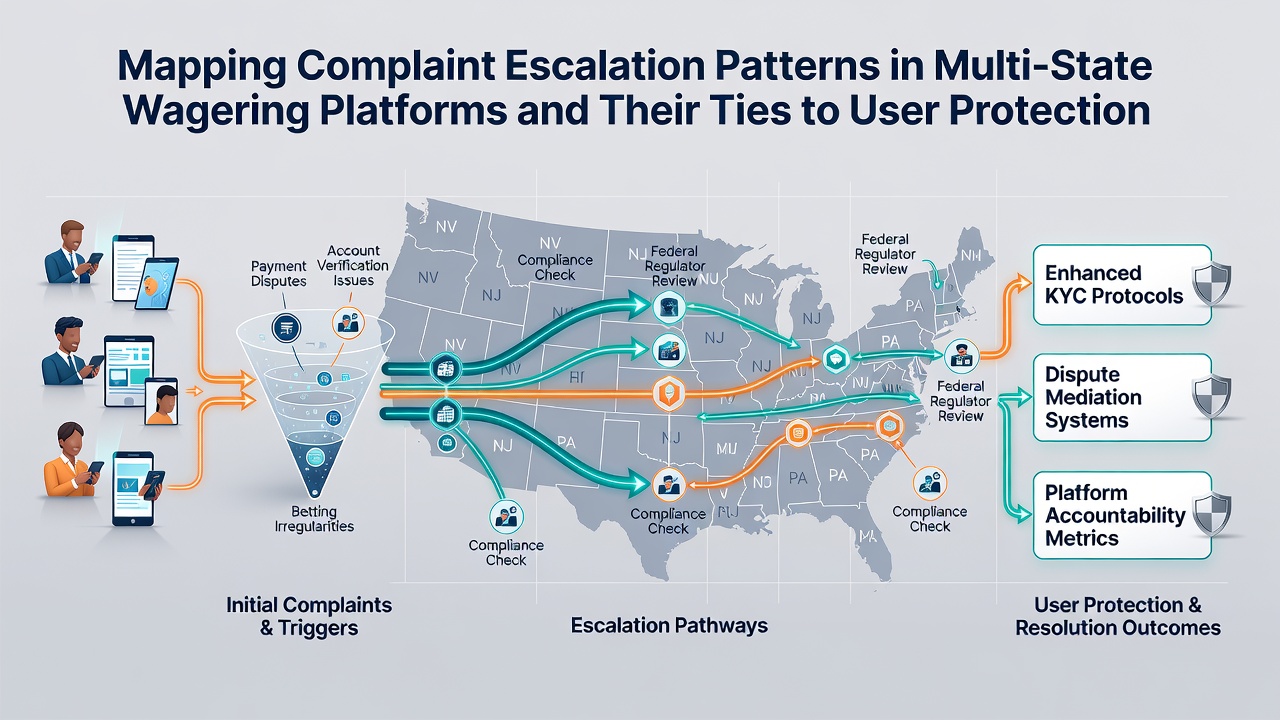
Regulatory Review and Integration with Protection Protocols
State regulators receive escalated complaints after internal processes stall, and they require detailed documentation that links each case to specific user protection steps already taken or overlooked. These submissions often include records of identity checks, deposit limit settings, and self-exclusion status, which regulators cross-reference against platform policies. Patterns identified during regulatory review frequently highlight delays between complaint receipt and activation of safeguards, prompting states to request system changes that shorten those intervals.
In September 2026 several multi-state operators began testing unified reporting formats that allow simultaneous submission to multiple regulators, and early figures reveal reduced duplication in documentation requests. Industry associations have compiled comparative data showing how escalation paths differ between states with mature frameworks and those still expanding oversight. The American Gaming Association has published summaries that connect these patterns to measurable improvements in user account security measures across participating platforms.
Identifying Recurring Patterns and Their Implications
Analysis of aggregated complaint data shows clusters around withdrawal timing, bonus eligibility disputes, and account closure procedures, and these clusters often align with moments when protection protocols should have triggered earlier interventions. Platforms use mapping tools to visualize how complaints move from one escalation tier to the next, revealing bottlenecks where user protection checks were bypassed or delayed. Those who study these maps find that certain patterns repeat across state lines even when local regulations differ, suggesting common operational challenges rather than jurisdiction-specific failures.
Protection protocols such as real-time spending alerts and mandatory identity reaffirmation appear at predictable points in the escalation chain, and platforms that integrate these tools earlier report fewer cases reaching external review. Data indicates that states sharing complaint trend information can anticipate similar issues before they spread, allowing preemptive adjustments to verification requirements. Researchers continue to examine how these mapped patterns influence the design of future safeguards that operate uniformly across multi-state environments.
Conclusion
Mapping complaint escalation patterns provides regulators and operators with clear visibility into where user protection protocols activate or fall short within multi-state wagering systems. The connections between escalation stages and safeguard measures continue to shape reporting standards and system updates, particularly as platforms prepare for expanded coordination expected after September 2026. Continued collection and comparison of these patterns supports consistent application of protections across jurisdictions while maintaining operational efficiency for platforms serving users in multiple states.